
Focused one-to-one mentoring for young people aged 12 to 25, built around their own goals and delivered remotely around their week.
Some young people have plenty of ability and no clear direction. Others know what they want but lack the confidence or structure to move towards it.
One-to-one mentoring gives them a consistent adult outside school and home, alongside a framework that helps turn vague ambition into practical next steps.
It follows the same Visionary domains as our wider programme, but at their pace and around their goals.
Great Britain international and NCAA Division I player Erin Powell shares how mentoring helped her grow as an athlete, while building confidence, resilience and a healthier mindset along the way.
We match each young person with a mentor whose background and experience feel relevant to them. Our mentors come from sport, education and professional careers, and are trained to work within the Visionary framework
Not at all. Sport is part of our story, but the mentoring is built around whatever matters to them, whether that is education, creativity, performance, career goals or simply finding more direction
We will keep you informed about how they are getting on, while giving them the privacy needed to build trust with their mentor. What they share remains confidential within normal safeguarding boundaries, and we are clear about those boundaries from the start
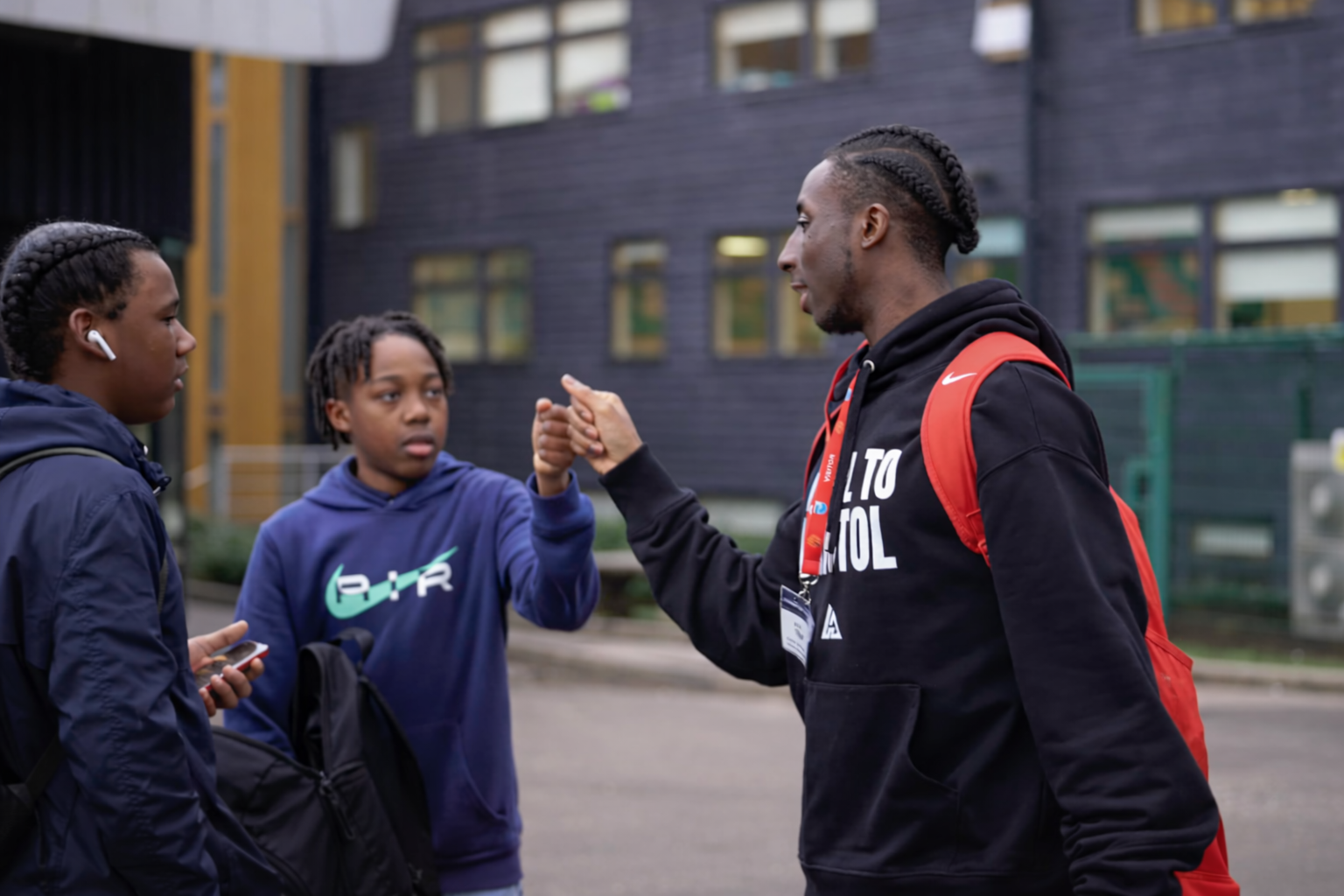
One-to-one mentoring is built around the young person’s week, with flexible remote sessions and a clear structure throughout.
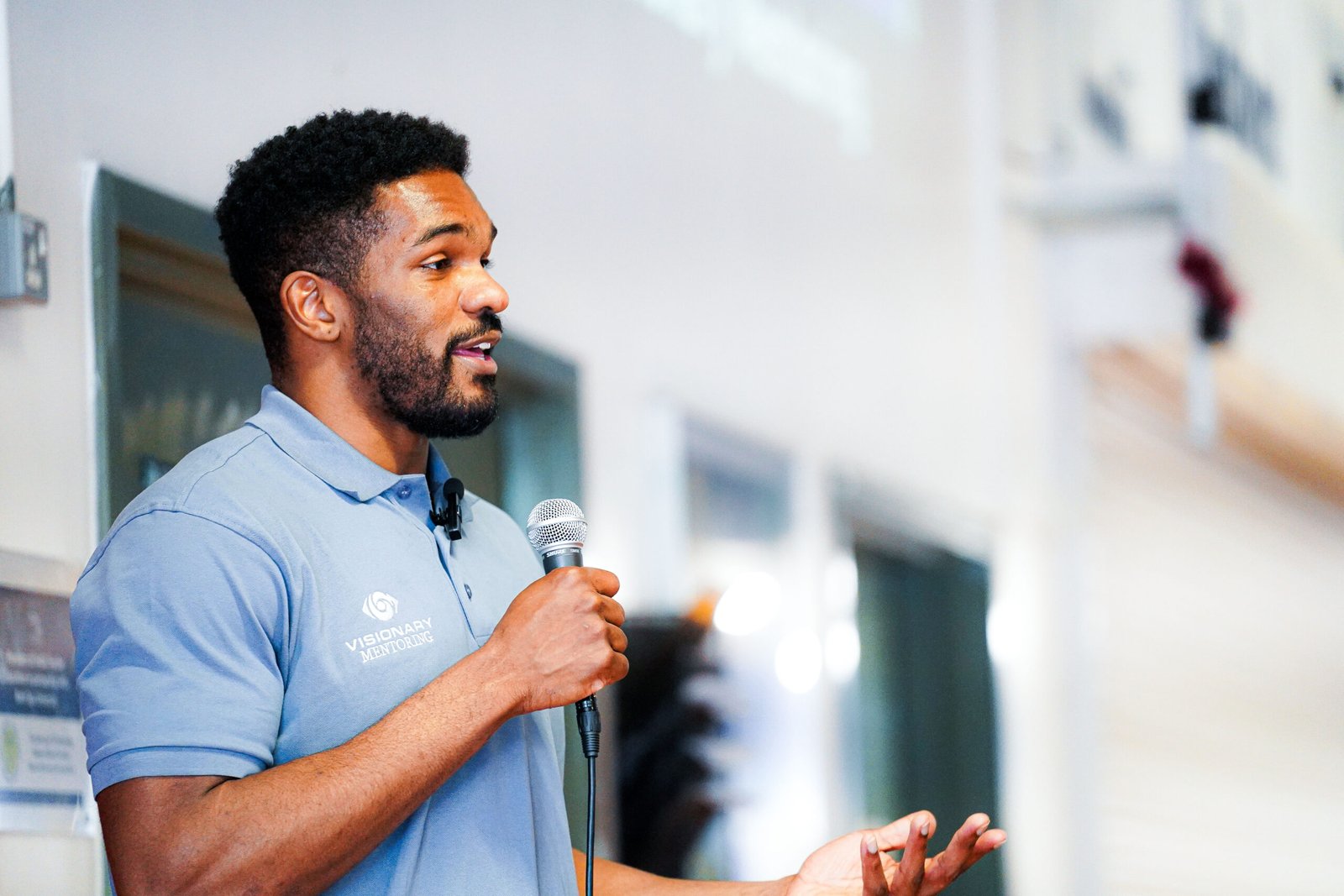
12 to 25, through school, university and beyond.
Remote sessions, usually in the evenings. For under-16s, a parent or guardian is present in the home during sessions.
The same three Visionary domains, worked through at the young person’s own pace and around their goals.
A certificate of completion, their workbook, and a structured self-development experience they can draw on in future applications and interviews.
Matched for credibility, fit and relevant experience, and trained to deliver the Visionary framework to a shared standard.
We talk this through on the first call and explain the available options.
A conversation with you first, followed by an introductory session with the young person to understand their goals and make sure the fit feels right.
One-to-one mentoring asks young people to be open and honest. That requires clear boundaries, properly vetted adults and a safeguarding approach they can trust.
Every mentor has an enhanced DBS, safeguarding training and in-house mentoring training for the age group they work with.
For remote sessions with under-16s, a parent or guardian is present in the home throughout.
Concerns are escalated to our Designated Safeguarding Lead, recorded and acted on appropriately.
Young people are told from the outset what can remain private and when information may need to be shared for safeguarding reasons.
Tell us a little about the young person and what you hope they will get from mentoring. We’ll arrange an initial conversation with you first.